[Archive Entry 014]
The Disposable Paradigm vs. The Absolute Anchor
I. The Manifestation
Engineers, mechanics, electricians and lifters are routinely told to swap a metal band for a silicone one during working hours. On the specific tasks that advice was written for, it is correct, and we will not argue with it.
What that advice does not answer is the other question: what do you wear for the remaining ninety-five percent of your life? The Disposable Paradigm answers it by default — a strip of moulded rubber, replaced every few months, carrying no history and no consequence. That is where we disagree. Not with the safety logic, but with the assumption that a hand which builds things deserves nothing more permanent than a consumable.
II. The Material Logic
Most men reach for silicone because they have been warned about soft metal. That warning is sound. Gold and silver are malleable: under a crushing load they flatten against the bone, tighten like a tourniquet, and have to be cut off a finger that is already swelling.
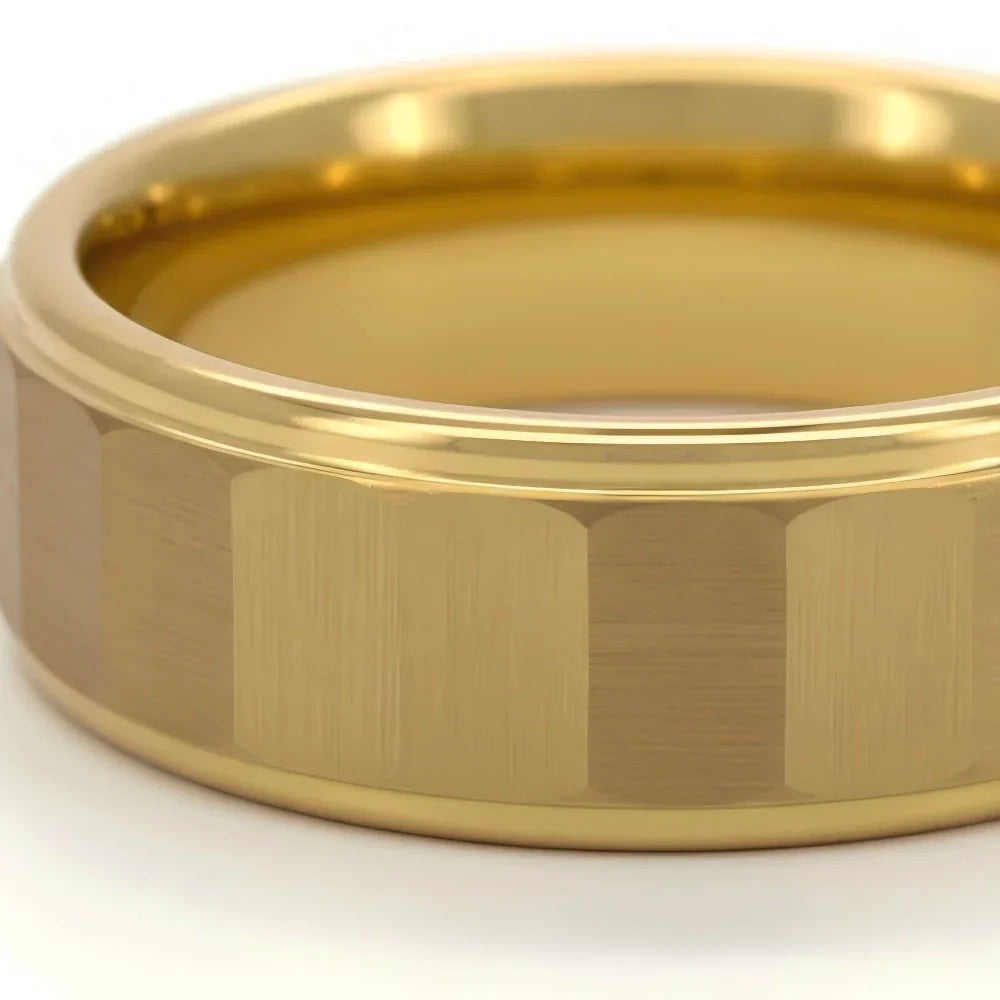
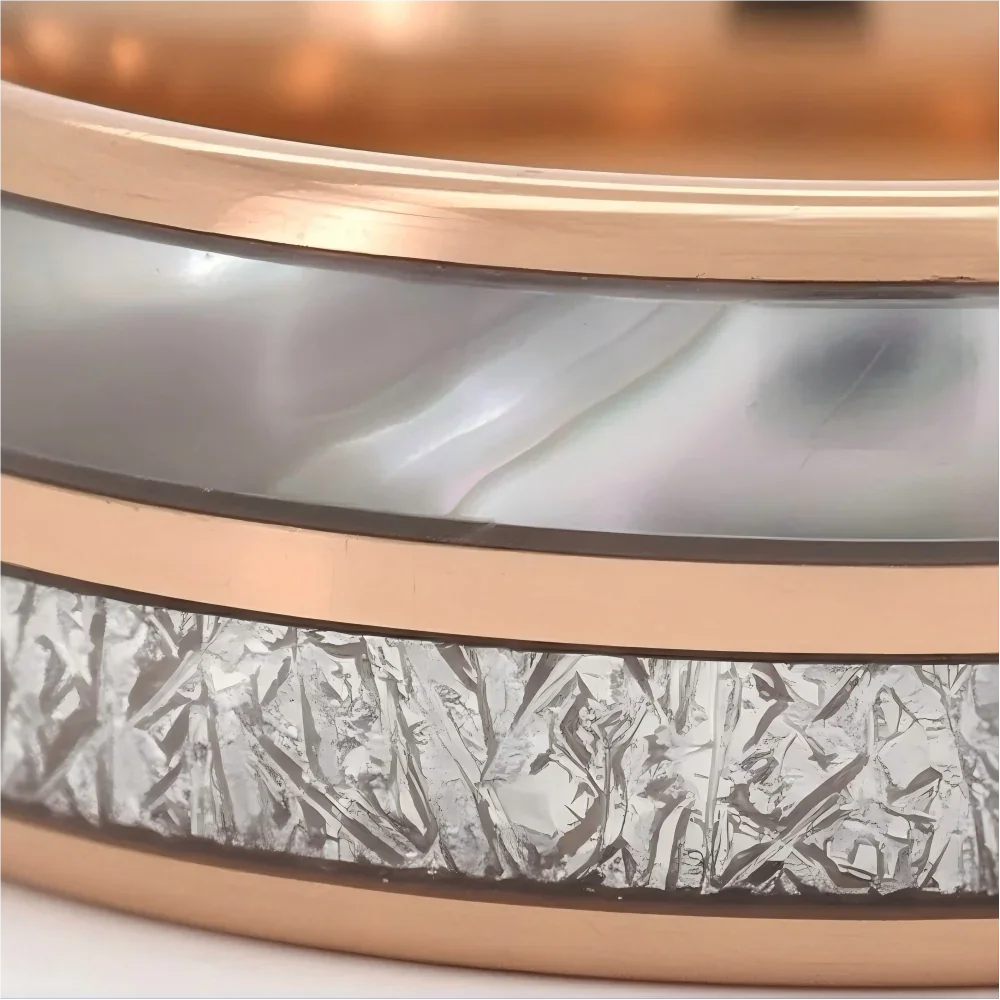
Tungsten carbide behaves differently. At a 15.6g/cm³ absolute density and Mohs 9.0 hardness, it does not deform — it holds its geometry until the load exceeds its limit, and then it fractures cleanly and releases the finger. In an emergency room it is removed with locking pliers in roughly thirty seconds rather than several minutes of sawing. We covered the full protocol in Archive Entry 011.
That is not a claim of universal immunity, and we will not make one. There are tasks where no metal belongs on the hand at all: live electrical work, where tungsten conducts; anything involving rotating shafts, ladders or heavy loads that can catch a ring and deglove a finger. For those tasks, remove the ring — silicone or bare skin, both are correct. A band that is engineered for permanence is not a substitute for task-specific safety practice, and any brand that tells you otherwise is selling you something.
III. The Steward’s Ritual
So the honest framing is not silicone versus tungsten. It is: what is on your hand when the shift ends?
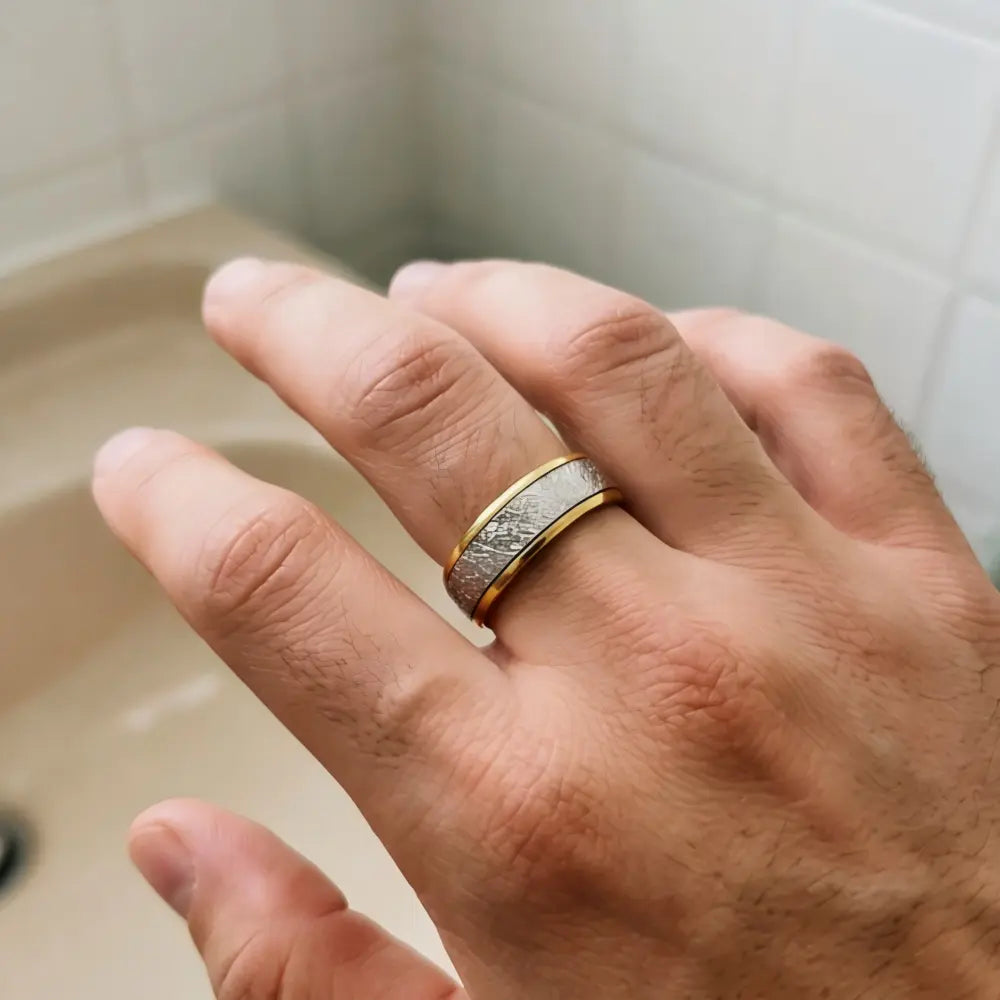
A silicone ring is designed to be forgotten and thrown away. That is its function, and it performs it well. An archive is designed for the opposite — to be felt continuously, to accumulate a history, and to still be there in twenty years. The weight is the point: a constant, low-grade physical signal that something in your day is not provisional.
Keep the rubber band in the toolbox for the jobs that genuinely require it. For everything else, wear something built to outlast the work. Start with the FORTITUDE archive if you want the heaviest structural profile we make, or EQUILIBRIUM if you want that density with a quieter finish.